
California AG Bonta Calls DOJ’s Live Nation Settlement a ‘Slap on the Wrist Sweetheart Deal’
Bonta pointed to the states’ Ticketmaster monopoly verdict as evidence that federal officials abandoned a viable antitrust case, while attorneys…
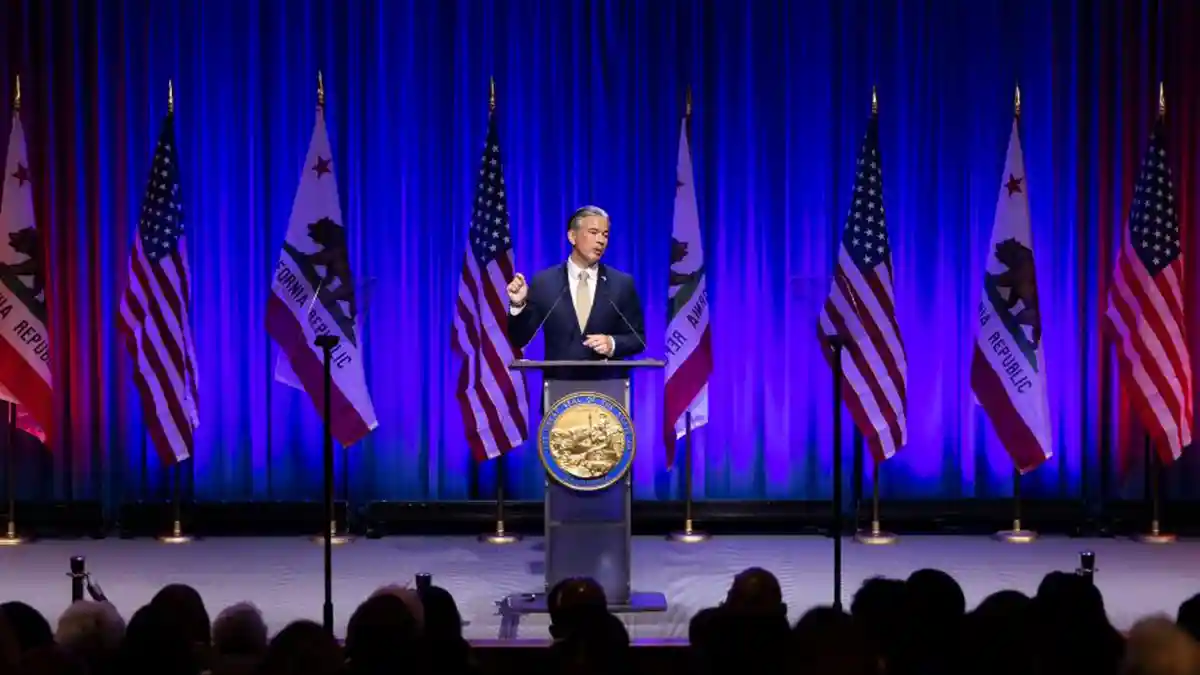
Bonta pointed to the states’ Ticketmaster monopoly verdict as evidence that federal officials abandoned a viable antitrust case, while attorneys general expand their scrutiny of ticketing practices across the live-event industry.
California Attorney General Rob Bonta is escalating his criticism of the federal government’s settlement with Live Nation and Ticketmaster, describing the agreement as a “slap on the wrist sweetheart deal” that state attorneys general rejected before securing a sweeping antitrust verdict against the companies.
Bonta made the remarks during a wide-ranging interview with POLITICO’s Dasha Burns focused primarily on California’s challenge to the proposed Paramount-Warner Bros. Discovery merger. Asked why state officials had stepped into a transaction the federal government declined to block, Bonta argued that the Justice Department and Federal Trade Commission under President Donald Trump have repeatedly failed to enforce antitrust law.
He cited the Live Nation case as one of the clearest examples.
“They allowed Ticketmaster Live Nation through a slap on the wrist sweetheart deal,” Bonta said, contrasting the federal settlement with the decision by a bipartisan group of attorneys general to continue litigating. Those states, he noted, ultimately obtained “a jury verdict where the jury found in favor of the states, on every single issue and against Ticketmaster Live Nation.”
The comments sharpen a disagreement that is already playing out in federal court: whether the Justice Department’s agreement provides meaningful and timely competition relief, or preserves the same Live Nation-Ticketmaster structure that federal and state enforcers spent nearly two years arguing should be broken apart.
States Continued Case After DOJ Settlement
On April 15, jurors found Live Nation and Ticketmaster liable on the states’ remaining antitrust claims. The verdict included findings that Ticketmaster maintained monopoly power in primary ticketing markets and that Live Nation illegally used its amphitheater control in connection with concert-promotion services.
The states have since requested structural remedies that could require Live Nation to divest Ticketmaster, sell or relinquish control over large amphitheaters, unwind exclusive arrangements and accept restrictions intended to prevent the company from using its promotion and venue businesses to protect Ticketmaster. They are also seeking damages, restitution, civil penalties and expanded independent oversight.
Live Nation and Ticketmaster continue to dispute the verdict and have asked U.S. District Judge Arun Subramanian to set it aside or order a new trial. The companies argue that the states relied on consumer anger, selective internal communications and what Live Nation called “made-for-juries emotional arguments,” rather than sufficient evidence within legally valid antitrust markets.
Subramanian is scheduled to hear arguments on those post-trial motions Wednesday, July 29. The outcome could determine whether the verdict remains intact as the states pursue a breakup and other structural relief.
Federal Deal Leaves Live Nation and Ticketmaster Together
Unlike the states’ proposal, the Justice Department settlement does not require Live Nation to sell Ticketmaster.
The proposed judgment would instead require Ticketmaster to develop an open-distribution and ticket-authentication system through which qualifying competitors could sell tickets for some venues that continue using Ticketmaster’s back-end infrastructure.
RELATED: States Seek Discovery Into DOJ-Live Nation Settlement, Citing Weak Remedies and Alleged Influence
The agreement would also loosen portions of Ticketmaster’s exclusive venue contracts, establish restrictions against retaliation and content steering, cap certain service fees at Live Nation amphitheaters and allow artists or promoters to distribute portions of inventory through competing ticketing providers.
Live Nation would relinquish booking or control rights connected to 13 venues, although the agreement does not require a broad divestiture of Live Nation-owned amphitheaters. The companies would remain under a compliance monitor, and the existing federal consent decree would be extended.
Live Nation has defended the settlement as a substantial reform package that will give artists, venues and promoters more flexibility while avoiding years of additional litigation. The company has consistently denied the government’s monopoly allegations and entered the agreement without admitting wrongdoing.
Critics argue that the arrangement leaves Ticketmaster embedded at the center of the ticketing system. Rival sellers could obtain access to inventory, but Ticketmaster would continue operating the underlying infrastructure for inventory management, barcode authentication, venue entry and related data flows.
The agreement remains subject to review under the Tunney Act, which requires Subramanian to determine whether an antitrust settlement proposed by the federal government is in the public interest.
States Seek Records Behind Settlement
Twenty-one of the plaintiff states are now seeking discovery into both the substance of the settlement and the circumstances surrounding its negotiation.
Their requests would examine the design of Ticketmaster’s proposed open-distribution system, the restrictions governing competitor access and the analysis supporting the Justice Department’s conclusion that the agreement will restore competition.
The states also want records showing why the 13 venue arrangements were selected, how Live Nation will be prevented from steering concerts away from those venues and why the settlement returns oversight responsibilities to a monitor involved with the companies’ earlier consent decrees.
More controversially, the states have requested communications among Live Nation, Justice Department leadership, White House officials and other individuals involved in discussions preceding the settlement.
Live Nation previously disclosed contacts involving company executives, senior Justice Department officials and the White House Counsel’s office. CEO Michael Rapino also spoke with Trump about the lawsuit, although Live Nation said the president and Rapino did not discuss substantive settlement terms.
The states say that record raises questions about whether considerations other than competition influenced the federal government’s decision. The Justice Department and Live Nation have opposed expanded discovery and maintain that the court already has sufficient information to evaluate the agreement.
Bonta previously aired similar concerns during a congressional forum led by Sen. Richard Blumenthal and Rep. Jamie Raskin.
“Our coalition of blue and red states refused to lose steam without the feds on board,” Bonta said at the May event. “We stayed in the fight, we made our case, and secured a historic and resounding victory on all of our claims.”
He also argued that the company’s history under conduct restrictions demonstrates why another behavioral settlement is insufficient.
“Behavioral remedies have proven inadequate,” Bonta said. “It’s time for structural remedies.”
State Ticketing Scrutiny Extends Beyond Ticketmaster
The Live Nation lawsuit is also part of a broader pattern in which state attorneys general are assuming a larger role in ticketing enforcement.
Bonta’s office opened a separate inquiry into FIFA’s World Cup ticketing practices in May, seeking information about stadium maps, seat-category changes, consumer disclosures and whether buyers received seats matching the categories presented when they made their purchases.
New York and New Jersey subsequently subpoenaed FIFA over ticketing for matches at MetLife Stadium, while Texas Attorney General Ken Paxton opened an investigation involving matches in Arlington and Houston.
Those inquiries are examining allegations that FIFA may have misled buyers about seat locations, altered category boundaries, released inventory in phases and used pricing or public statements that created an impression of scarcity.
New Jersey Attorney General Jennifer Davenport said after the World Cup that her office would continue its investigation, including its examination of variable pricing, phased inventory releases and representations made to consumers.
FIFA is also facing a proposed class action in Washington, D.C., alleging that buyers paid premium prices for Category 1 tickets based on maps showing access to midfield sections that had allegedly been reserved for hospitality customers and corporate partners.
That private lawsuit echoes questions raised by the state investigations, although it remains legally distinct from the government inquiries.
The Live Nation and FIFA matters involve different legal theories. The case against Live Nation centers on monopoly power, exclusionary conduct and vertical integration. The FIFA investigations largely concern consumer-protection questions about pricing, inventory and whether the official sales presentation misled buyers.
Together, however, they demonstrate how state officials are increasingly examining the conduct of primary ticket sellers and event organizers—not merely bots, brokers or secondary marketplaces.
Federal ticketing legislation such as the TICKET Act would impose all-in pricing, regulate speculative listings and strengthen anti-bot enforcement. Consumer advocates have urged the Senate to act on the bill, while acknowledging that it would not resolve broader questions involving primary-market pricing, inventory holdbacks, ticket transferability or Live Nation’s vertically integrated market power.
Bonta’s latest comments place that enforcement divide in unusually direct terms. The federal government says its Live Nation settlement offers practical competition reforms without waiting through years of appeals. State attorneys general say they took the same evidence to a jury, won the case the Justice Department abandoned and are now entitled to pursue structural relief.
For the ticketing industry, the significance extends beyond Bonta’s criticism of a single settlement. State enforcers are signaling that they intend to remain active wherever they believe dominant companies, official ticket sellers or event organizers are using market control and consumer opacity in ways federal regulators are unwilling—or unable—to address.
Read next
More headlines

Aug 3, 2026
Thomas Rhett Announces 2027 ‘Soundtrack to Life’ UK Tour
Thomas Rhett will return to the United Kingdom next spring with his newly announced “Soundtrack to Life UK” tour dates….

Aug 3, 2026
Zac Brown Band Makes History, Gifts Free Cruises to 35K Fans in Audience
Zac Brown Band gave the crowd a huge surprise during a show over the weekend: free cruise tickets. During the…

Aug 3, 2026
Judge Probes Evidence Behind Live Nation Monopoly Verdict, Leaves Ruling Pending
The court placed particular scrutiny on the states’ amphitheater and tying claims but also challenged several of Live Nation’s arguments…